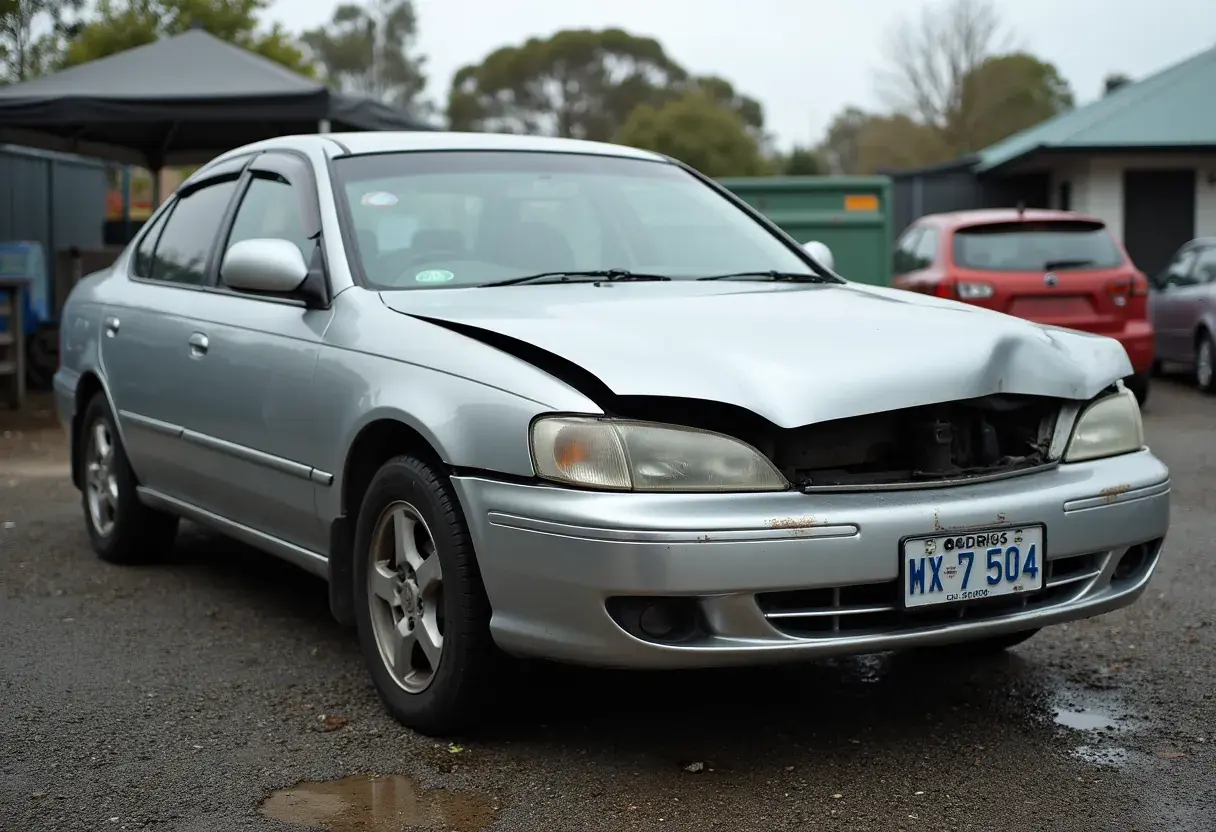
Dead, rusted and stripped vehicles
Scrap car removal Melbourne owners can arrange with one call: we buy non-running, rusted and stripped vehicles, tow them away and pay on collection.
List what is missing, whether the wheels roll and where it sits, and we will ring back with an offer.
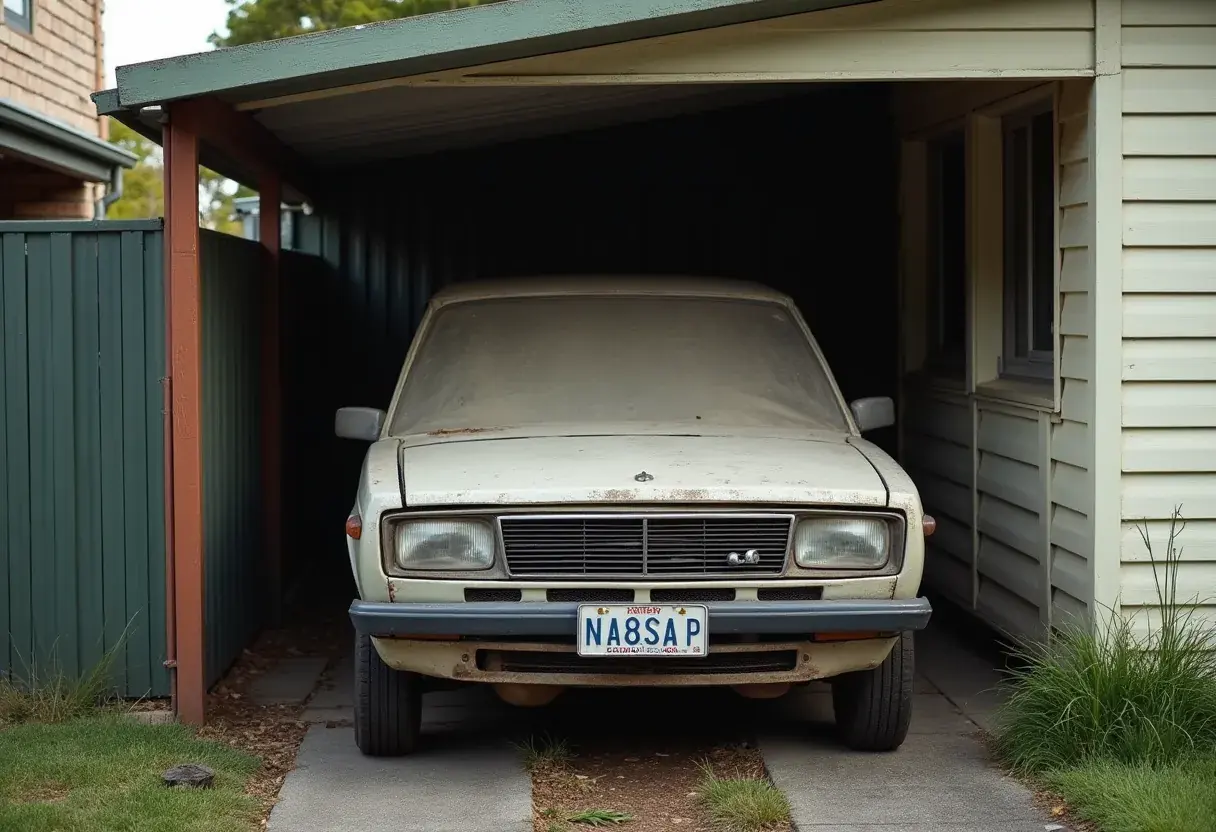
Scrap car removal Melbourne sellers book with us is for vehicles at the very end of the road. Think of a sedan with a cracked block, a hatch that has been sitting so long the tyres have perished, or a shell that was half stripped for parts years ago.
These cars still carry value in their steel, aluminium and any salvageable components, so we buy them and organise the tow.
You do not need to get it running, pump up the tyres or put the missing panels back on. Tell us honestly what state it is in and what is missing, and the offer reflects that. Payment is made by cash or bank transfer when the car is collected.
Non-runners and shells accepted
Offer reflects metal and parts
Winch-equipped tow trucks used

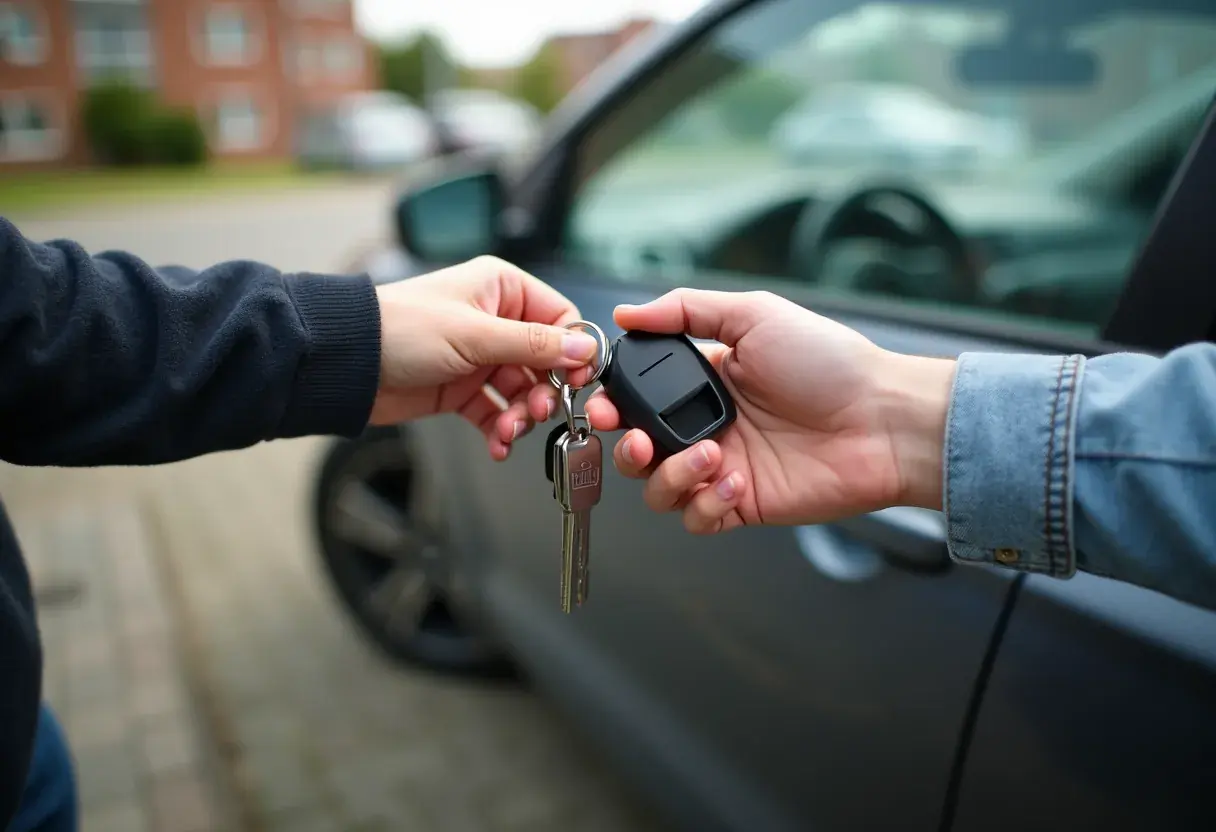

A scrap vehicle is valued differently from one we can resell. Size and weight matter, because a large wagon or 4WD carries more metal than a small hatch.
So does what is still attached: an engine, gearbox, catalytic converter, alloy wheels and intact panels all add something, while a stripped shell is mostly steel.
That is why we ask what has been removed. An accurate picture means the figure we discuss on the phone is the one we confirm when the driver sees the car.
Vehicle size and overall weight
Engine and gearbox still fitted or not
Wheels, panels and parts remaining
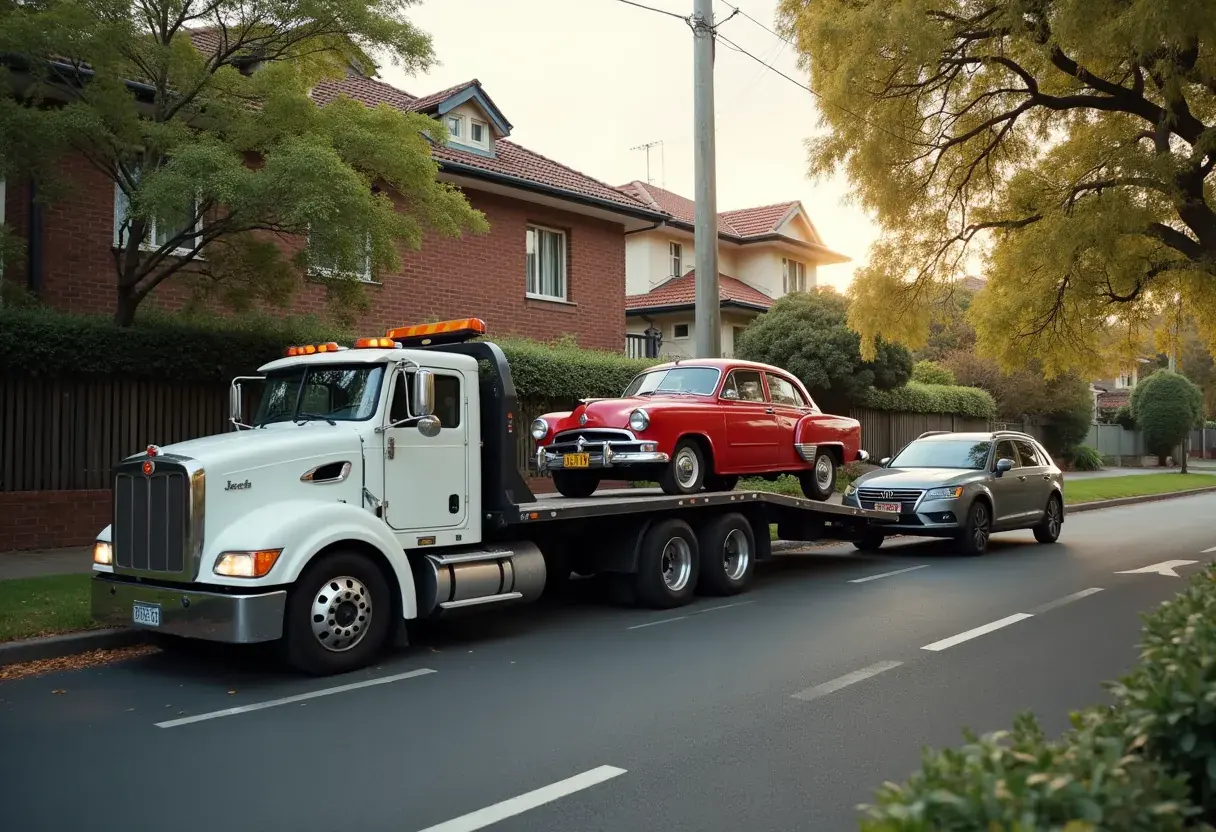
Many scrap cars have not moved in years. Wheels seize, handbrakes stick on and tyres go flat or split. Our drivers use winches and skates where needed to drag a stuck car onto the tray, so you do not need to call a mechanic or a separate tow operator first.
Mention if the car is wedged against a fence, sitting on grass that may be soft after rain, or tucked behind a shed. Knowing the layout lets us bring the right gear the first time.

Once a scrap car leaves your property, working parts are taken off where they are worth saving, fluids are drained and the remaining body is sent for metal recycling. Very little of the vehicle ends up as waste in that process.
Because the car is going to be dismantled rather than driven, we do not need it to be registered or to have a roadworthy certificate. We do still need proof that you own it.
01
Tell us the make, model, rough year and which major parts are still on the car, such as the engine, wheels and seats.
02
Explain where it sits, whether the wheels turn and anything in the way, so we can plan the winch and tray setup.
03
The driver checks the car against what you described, confirms the offer and looks at your ID and ownership papers.
04
You receive cash or a bank transfer, the car is winched aboard, and the space it took up is finally yours again.
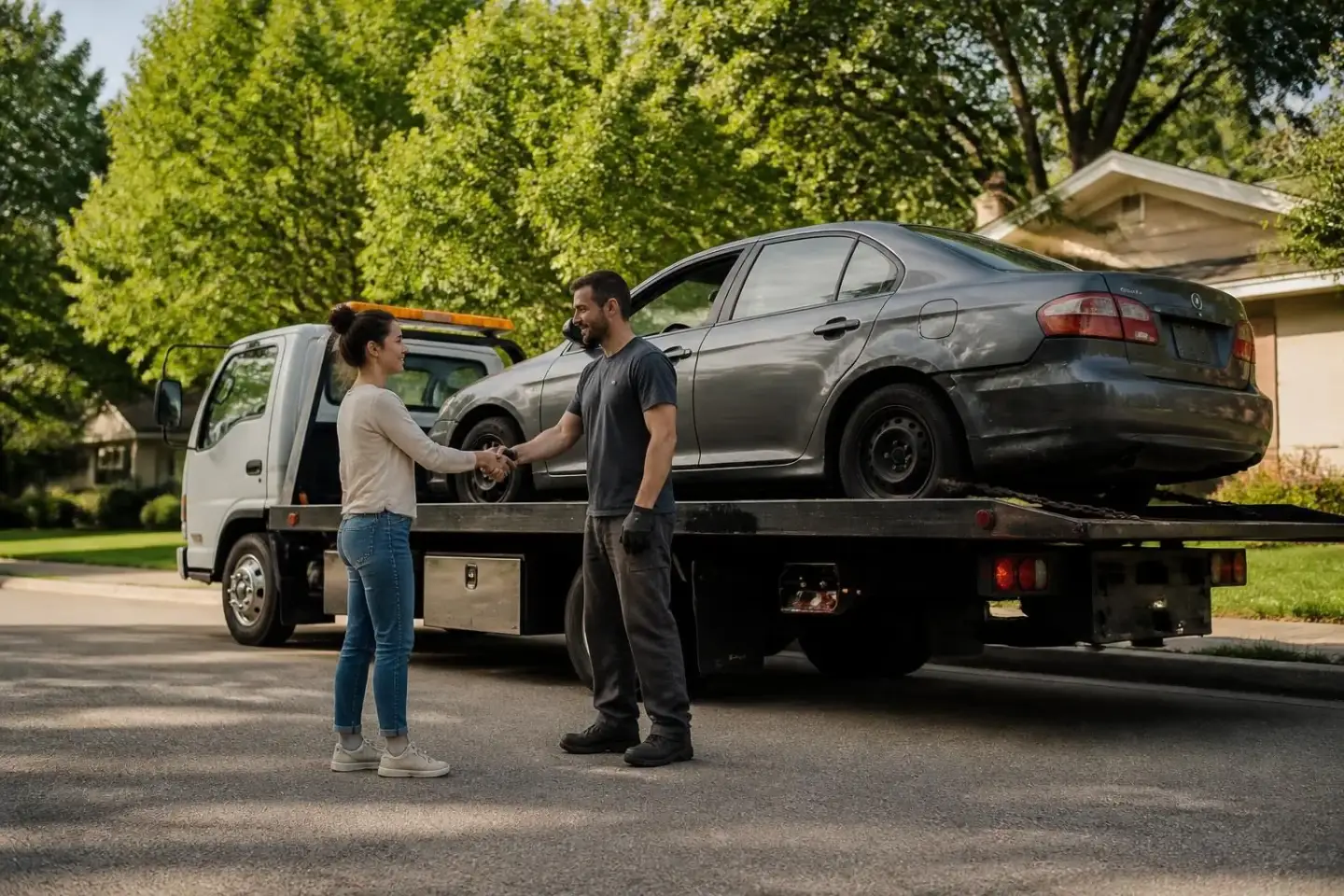
Cars with no engine, no wheels or heavy rust are a regular part of our week. You will not be told the car is too far gone to be worth collecting without a real look at it.
Seized wheels and soft ground are planned for in advance, so a car that has been parked in one spot for a decade can still be dragged out and loaded.
We explain which factors raise or lower a scrap offer, so you understand the figure instead of guessing why one wreck was worth more than another.
Tired cars at the end of their life are bought for reusable parts and recycling value.
Accident, hail and flood damaged vehicles, including statutory write-offs, are assessed and collected.
Our main collection service for cars in any condition, from driveways, garages, kerbs and car parks.
Scrap cars turn up in backyards and sheds everywhere. These suburb pages explain collection in a few areas we cover.
Yes. A car without an engine or gearbox can still be bought for its body metal and remaining parts. Tell us what has been removed so the offer matches the car.
In most cases, yes. Even a stripped shell holds steel value, and most cars still have a few reusable components. The amount depends on size, weight and what remains attached.
No. Leave the fluids where they are. Draining them in a driveway creates a mess and a spill risk, and fluids are handled as part of dismantling after collection.
Call 0493 825 076, describe what is left of the car and where it sits, and we will arrange an offer and a tow.